

A container dolly is a wheeled platform designed to transport shipping containers within cargo terminals or port areas. It typically has a flatbed and is equipped with either a tow bar or a gooseneck coupler to connect with a tug or a tractor. Container dollies are essential for moving cargo containers quickly and efficiently, especially in larger logistics facilities.
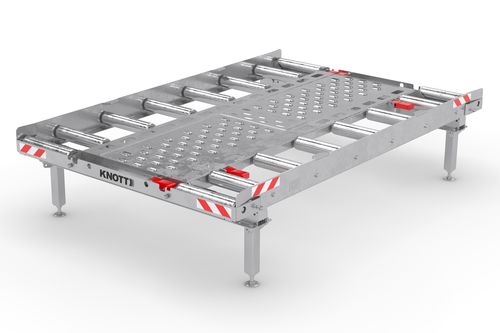
A lazy dolly is a type of trailer designed to carry cargo containers, similar to a container dolly. However, unlike a container dolly, a lazy dolly does not have its own power source and must be connected to a tractor or tug for transport. It is designed to be "lazy" in that it requires minimal effort to move, hence the name. Lazy dollies are typically used for short-distance movements of cargo containers within port areas.
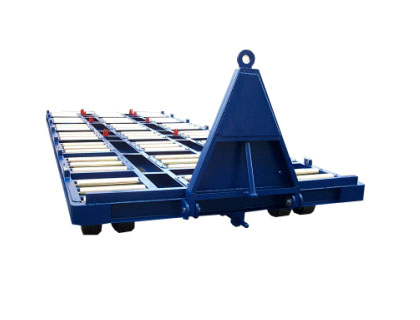
A pallet dolly, also known as a pallet jack, is a manually operated truck used for lifting and moving pallets. It has two forks that slide under the pallet and a hydraulic jack that lifts the load off the ground, making it easier to transport. Pallet dollies are commonly used in warehouses and distribution centers to move heavy loads of goods.
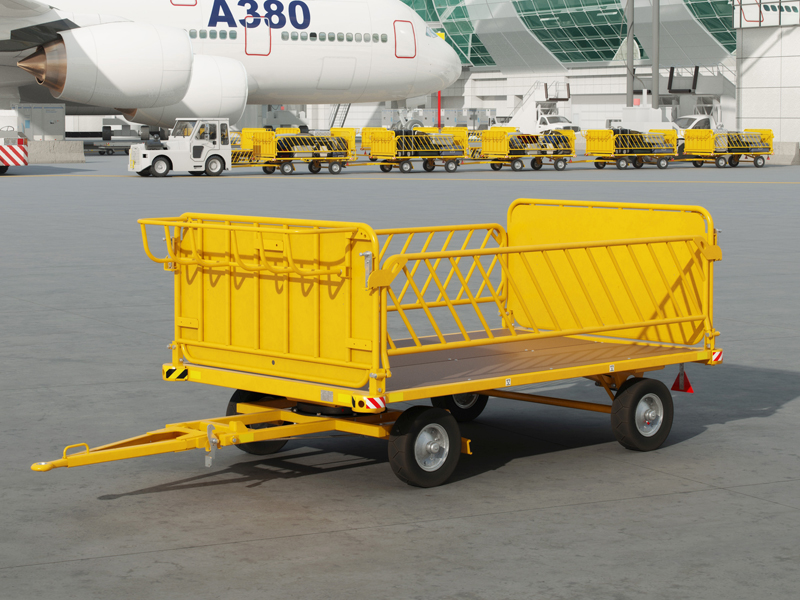
A baggage trolley, also known as a baggage cart, is a wheeled cart used to transport luggage, cargo, or other materials. Baggage trolleys are commonly found at airports, train stations, and bus terminals, and they can be used by passengers or airport staff to transport luggage to and from check-in counters, baggage claim areas, and aircraft. These carts come in various sizes and designs, and they are usually made of durable materials such as aluminum, steel, or plastic.

A battery cart, also known as a ground power unit (GPU), is a mobile device used to provide electrical power to aircraft while they are on the ground. These carts typically use rechargeable batteries to generate electrical power, which is then transmitted to the aircraft through a cable. Battery carts are used to power aircraft systems such as lighting, air conditioning, and avionics while the aircraft is parked at the gate. They are also used to start the aircraft engines in some cases.

A rain shelter is a structure used to protect people or equipment from rain. Rain shelters can be found in various locations such as bus stops, Airports, train stations, construction sites, and outdoor events. They are usually made of metal or plastic and provide a roof and partial walls to shield people or equipment from rain. Some rain shelters also include seating or benches for people to sit and wait for transportation or shelter from the rain.

Trestles are a type of support structure used in construction or maintenance work. They consist of two or more vertical supports connected by a horizontal beam, and they are used to support scaffolding, platforms, or other equipment. Trestles are typically made of wood or metal, and they can be adjusted to different heights depending on the requirements of the job. They are commonly used in construction sites, shipyards, and industrial facilities.

A compressor wash cart is similar to a compressor wash rig, but it is a smaller, more portable unit. The cart is designed to be used in remote locations or on smaller aircraft, where a full-sized wash rig may not be practical.
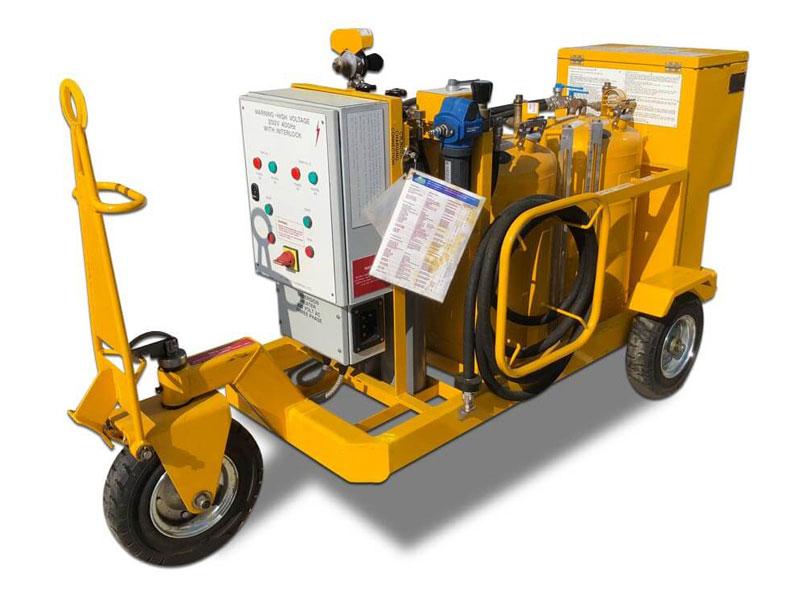
A compressor wash rig is a specialized tool used to clean the compressor blades of aircraft engines. The rig is designed to spray a high-pressure mixture of water and cleaning agents onto the blades, removing dirt, debris, and other contaminants that can affect the engine performance.

An engine preservation cart is a specialized tool used to preserve and protect aircraft engines during storage or extended periods of inactivity. The cart is designed to circulate oil and other fluids throughout the engine to prevent corrosion and damage to critical components.

Maintenance trestles are structures used to support aircraft during maintenance and repair activities. They are designed to provide a stable and safe platform for technicians to work on aircraft components, such as engines, landing gear, and fuselage sections.

A ram inlet protective screen is a device used to protect the engine's inlet from damage caused by foreign objects, such as debris or wildlife. The screen is designed to prevent these objects from entering the engine and causing damage to critical components.

A sleeve ground lock is a specialized tool used to prevent aircraft from moving during maintenance activities. The lock is designed to secure the aircraft's wheels in place, preventing them from rolling or turning.

A curved shim is a thin, tapered piece of material used to fill gaps between two surfaces that are not perfectly aligned. In the aviation industry, curved shims are often used to adjust the fit of aircraft components or to compensate for slight variations in the shape of a surface. They can be made from a variety of materials, including metal, plastic, or composite materials.

A gauge prox. sensor is a sensor used to measure the distance between an aircraft component and a reference point. This type of sensor is often used in the aviation industry to monitor the position of aircraft components, such as landing gear, and to provide feedback to the aircraft's control systems. The sensor can be used to detect when a component is in the correct position or to alert the crew if the component is out of position.
-WM-p.jpg)
A curved shim is a thin, tapered piece of material used to fill gaps between two surfaces that are not perfectly aligned. In the aviation industry, curved shims are often used to adjust the fit of aircraft components or to compensate for slight variations in the shape of a surface. They can be made from a variety of materials, including metal, plastic, or composite materials.

"Remove Before Flight" is a safety tag that is attached to various aircraft components or equipment to remind ground crew and pilots to remove them before the aircraft takes off. These tags are typically bright red and are designed to catch the attention of personnel working on the aircraft.
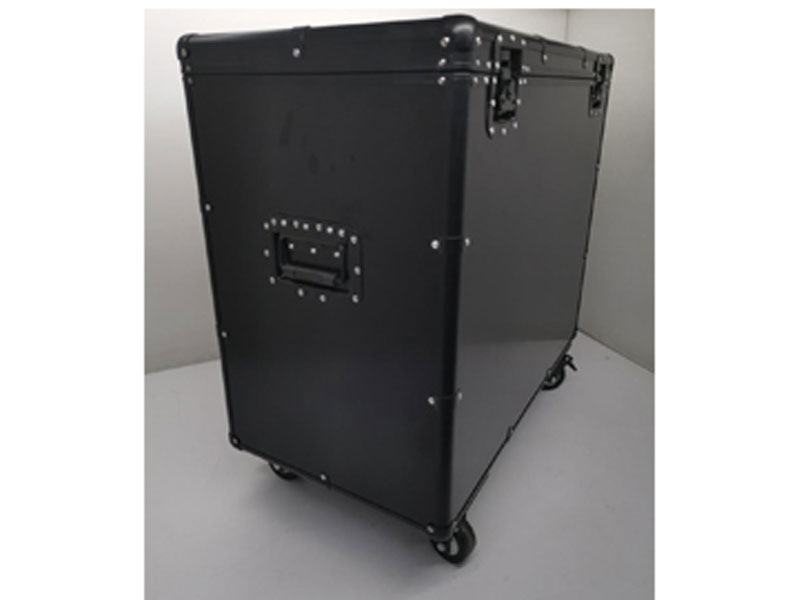
Spl. Tool Box refers to a specialized toolbox used for storing and transporting specialized tools and equipment used in the aviation industry. These toolboxes are often designed to meet specific size and weight requirements for use on aircraft and may include features such as foam padding to protect delicate instruments or locking mechanisms to prevent theft.
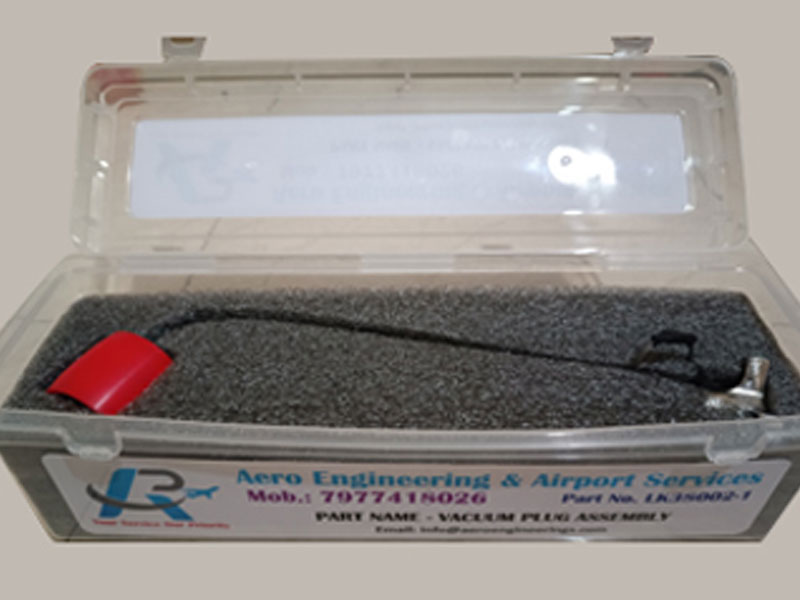
Vacuum Plug Assy. refers to a vacuum plug assembly used in aircraft maintenance. This assembly consists of a plug, valve, and hose that are used to seal off various openings in an aircraft's vacuum system during maintenance or repair. The vacuum plug assembly is designed to prevent the loss of vacuum pressure in the aircraft's system while it is being worked on.